Blog
Tips & local guides
2026-10-28
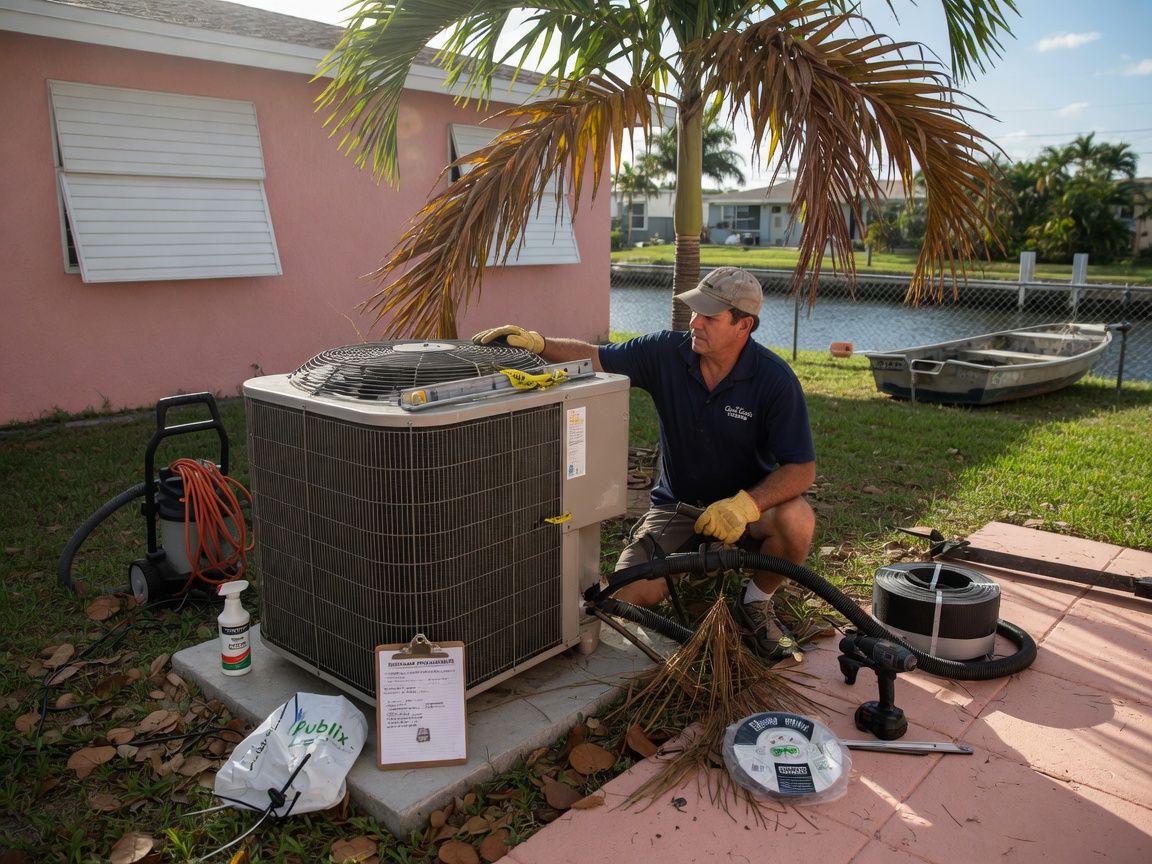
Preparing Your Ac System For Cape Coral Hurricane Season
Hurricane season brings high winds and flooding risks that can damage outdoor condensers and indoor air handlers in Cape Coral homes. Follow these targeted steps to protect your system.
2026-10-28
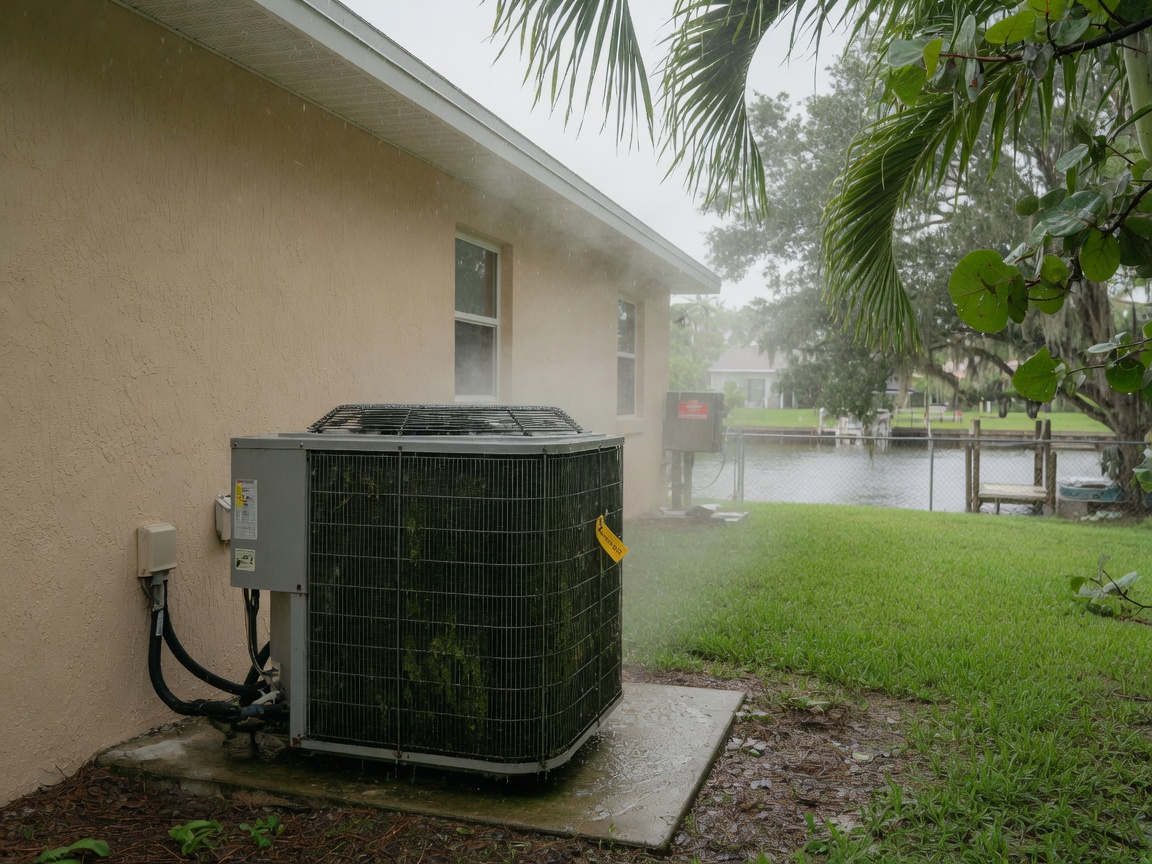
How High Humidity Affects Ac Performance In Cape Coral Homes
Cape Coral's tropical climate with hot humid summers makes AC units work harder to control both temperature and moisture. Homeowners in areas like Cape Coral Isles and Burnt Store see specific performance drops tied to local conditions.
2026-10-28
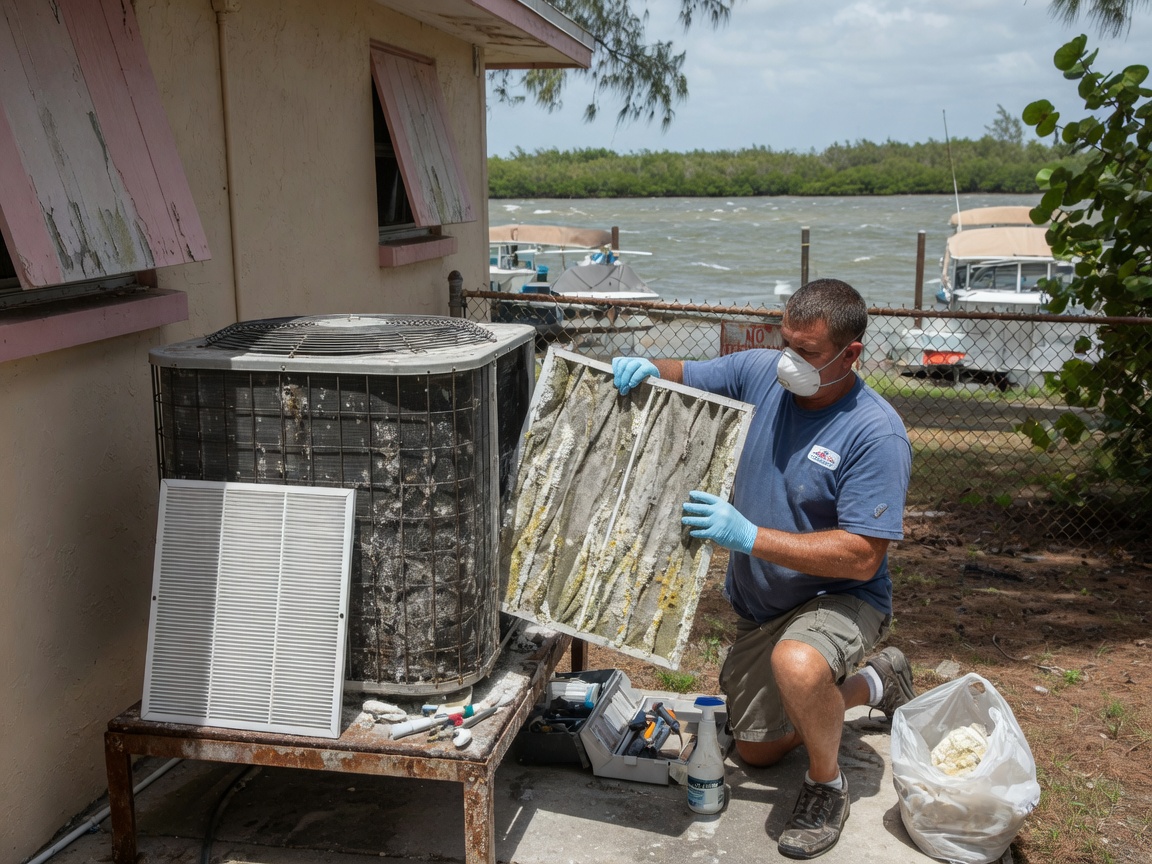
Replacing Air Filters In Salt Air Environments Near The Caloosahatchee
Salt air from the Caloosahatchee accelerates filter loading in Cape Coral homes. Follow these replacement intervals and steps to maintain airflow through humid summers and dry winters.
2026-10-28
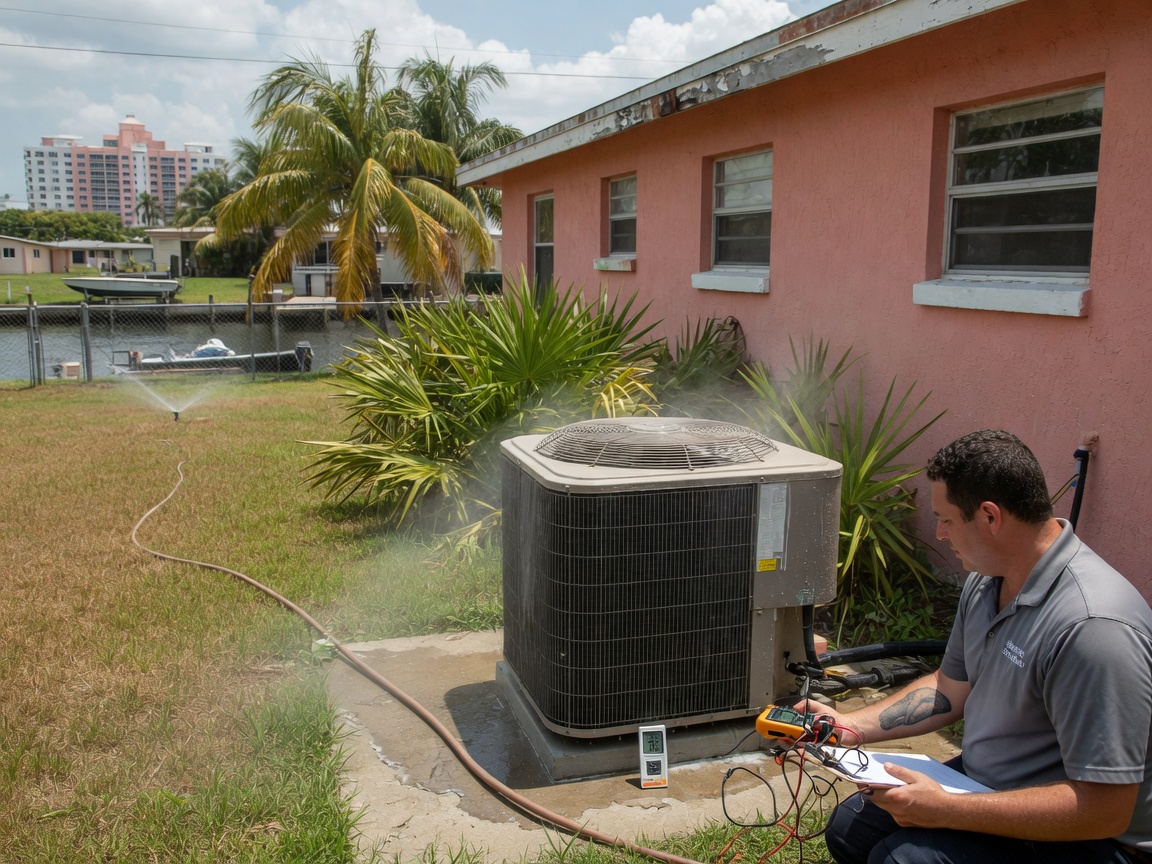
Common Causes Of Ac Short Cycling During Cape Coral Summers
Short cycling during Cape Coral summers often traces to low refrigerant, dirty coils, or thermostat problems amplified by the region's humidity. Local factors in areas like Downtown Cape Coral and Cape Coral Isles make these issues more frequent.
2026-10-28
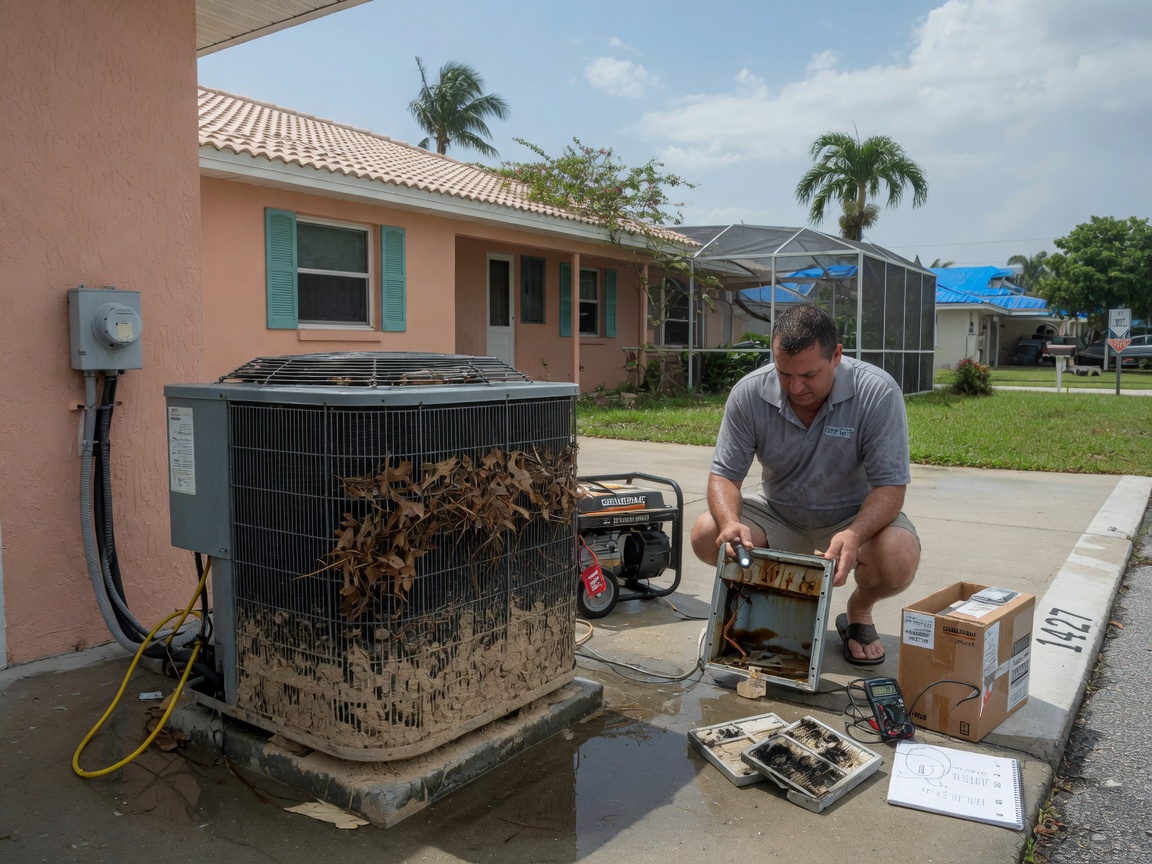
What To Inspect After A Power Outage In Southwest Florida
Power outages hit Cape Coral homes hard during storm season. Follow these targeted steps to inspect your HVAC and avoid bigger problems in the humid Lee County climate.
2026-10-28
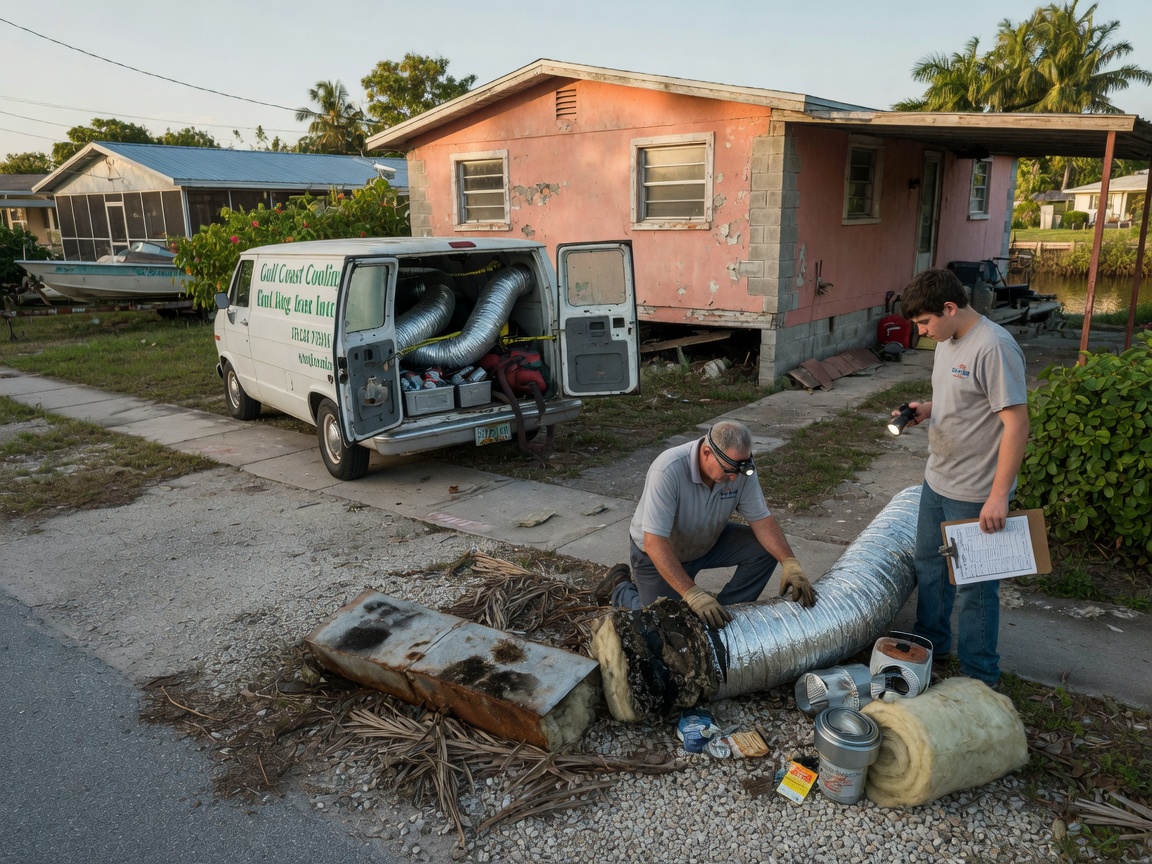
Cost Factors For Duct Repairs In Older Cape Coral Neighborhoods
Duct repairs in older Lee County homes often range from $500 to $2,000 depending on access difficulty, moisture exposure from the tropical climate, and the condition of existing materials.
2026-10-28
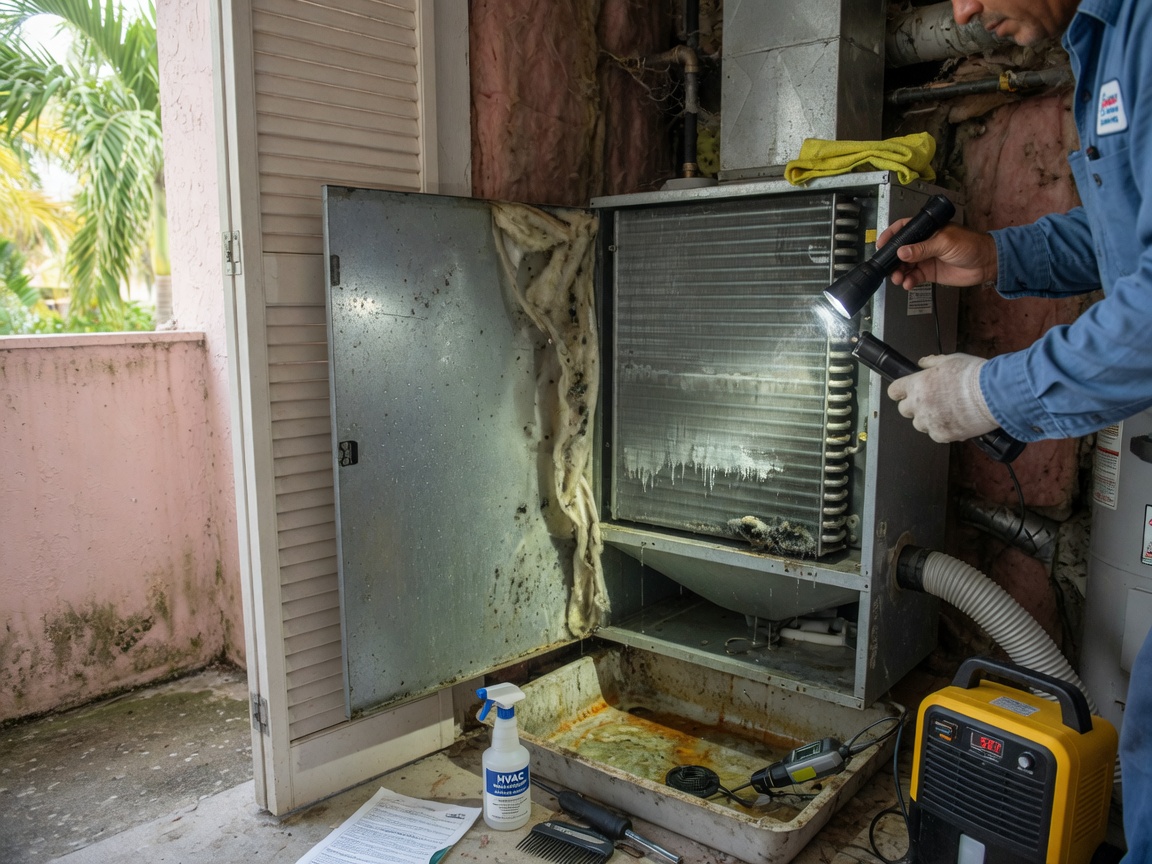
Preventing Mold Growth Inside Air Handlers In Humid Florida Homes
Cape Coral's hot humid summers create ideal conditions for mold inside air handlers. Consistent moisture control and inspections protect systems in neighborhoods like Cape Coral Isles and Burnt Store.
2026-10-28
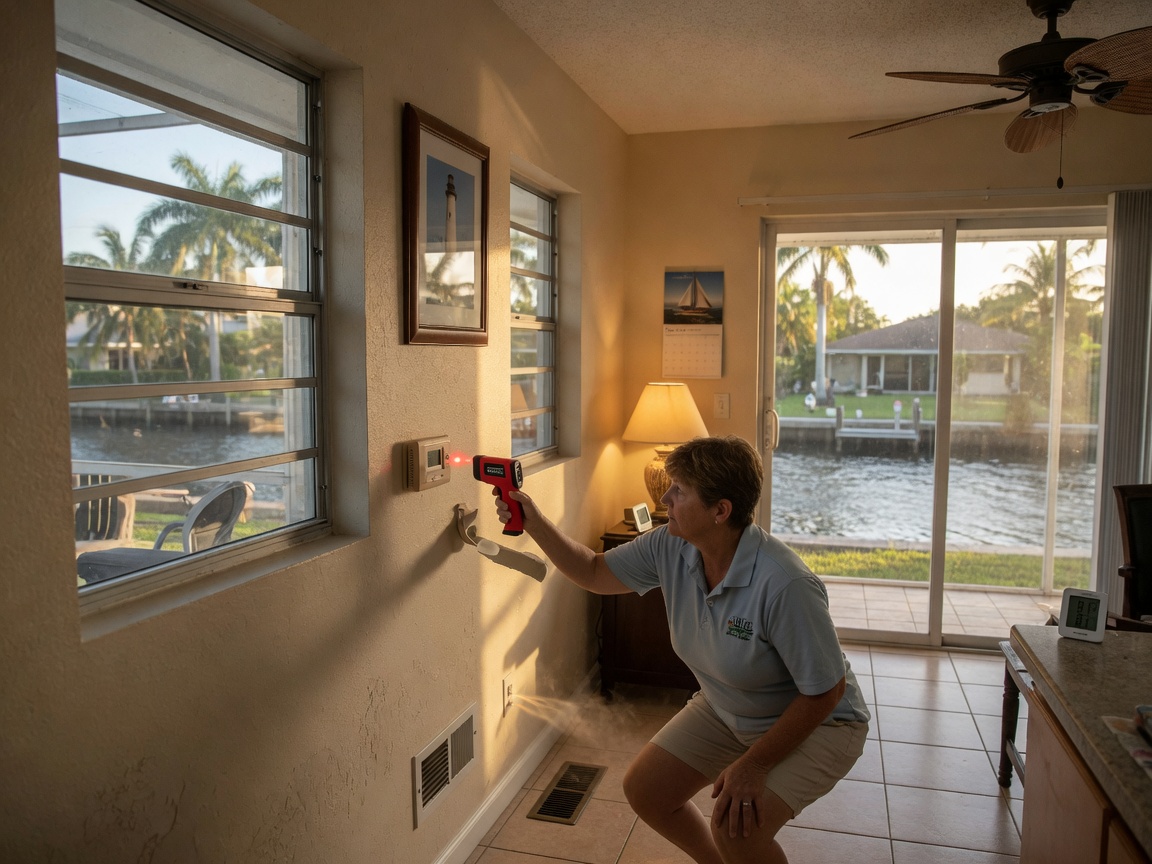
How To Check Thermostat Placement For Accurate Readings In Cape Coral
Verify your thermostat sits on an interior wall five feet up, away from windows and doors, to match actual room temperatures during humid Cape Coral summers and dry winters.
2026-10-28
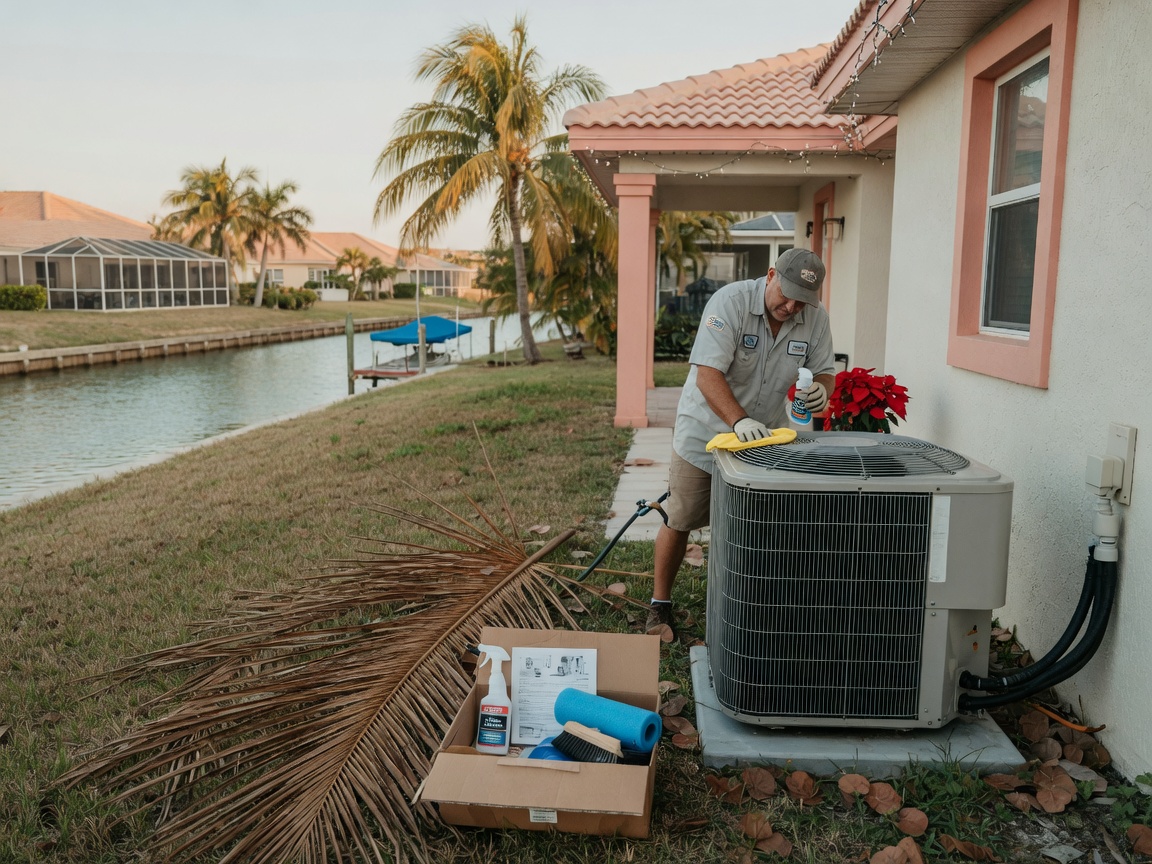
Winter Maintenance Tips For Heat Pumps In Mild Cape Coral Winters
Cape Coral's mild winters mean heat pumps run less but still need targeted care to handle salt air and humidity shifts from nearby water. Follow these steps to maintain efficiency without overworking the system.
2026-10-28
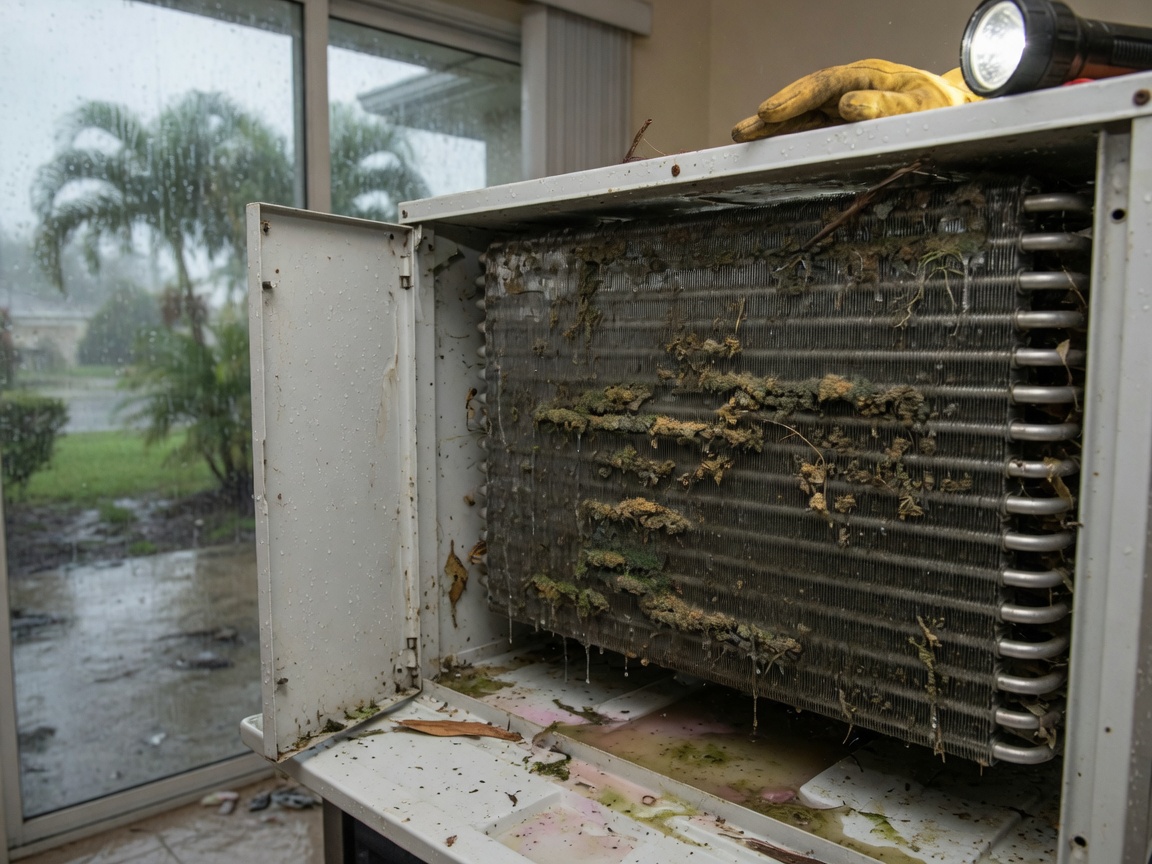
Signs Your Evaporator Coil Needs Cleaning After Rainy Season
Cape Coral's tropical storms leave evaporator coils coated in moisture and debris that cuts efficiency fast. Spot these indicators early to avoid bigger AC issues in neighborhoods like Cape Coral Isles.
2026-10-28
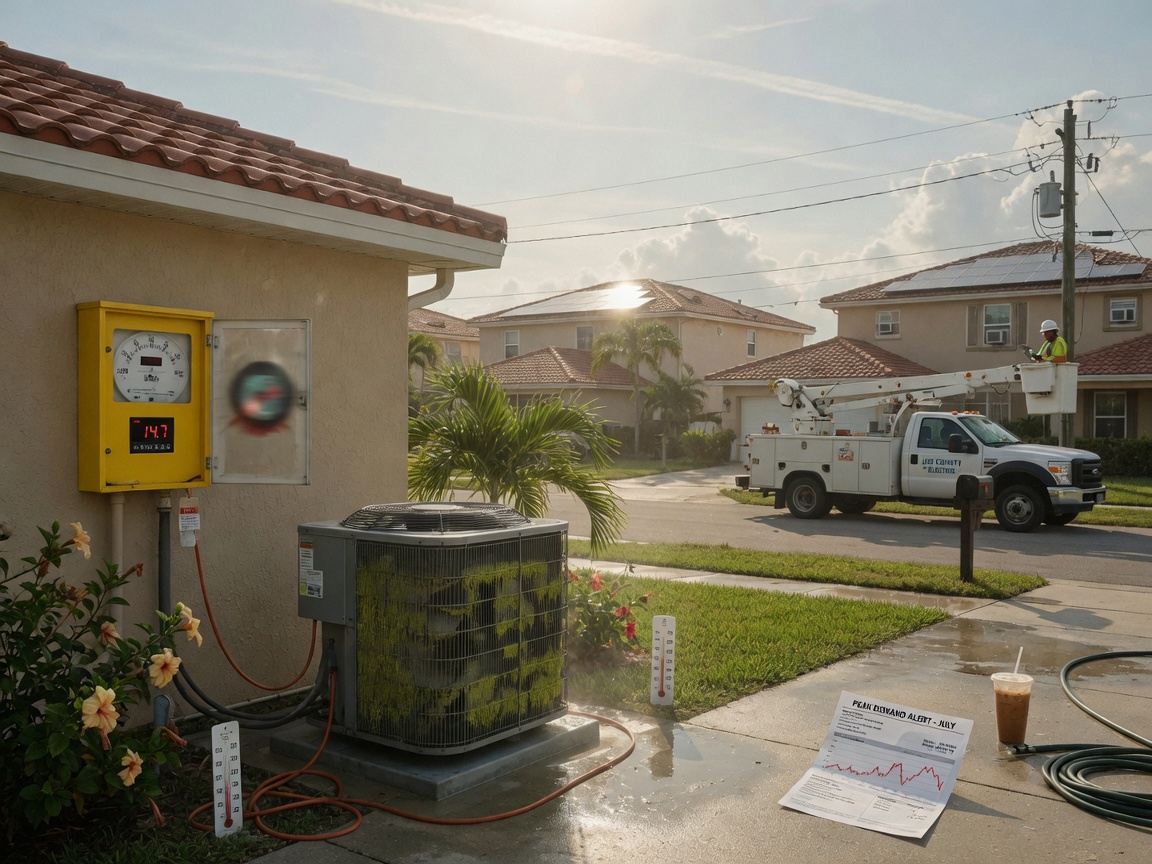
Understanding Energy Use Spikes During Peak Cooling Months In Cape Coral
Cape Coral's tropical climate pushes air conditioning systems hard during peak months, creating noticeable energy increases. Local housing stock and weather patterns explain why spikes occur and how to address them.
2026-10-28
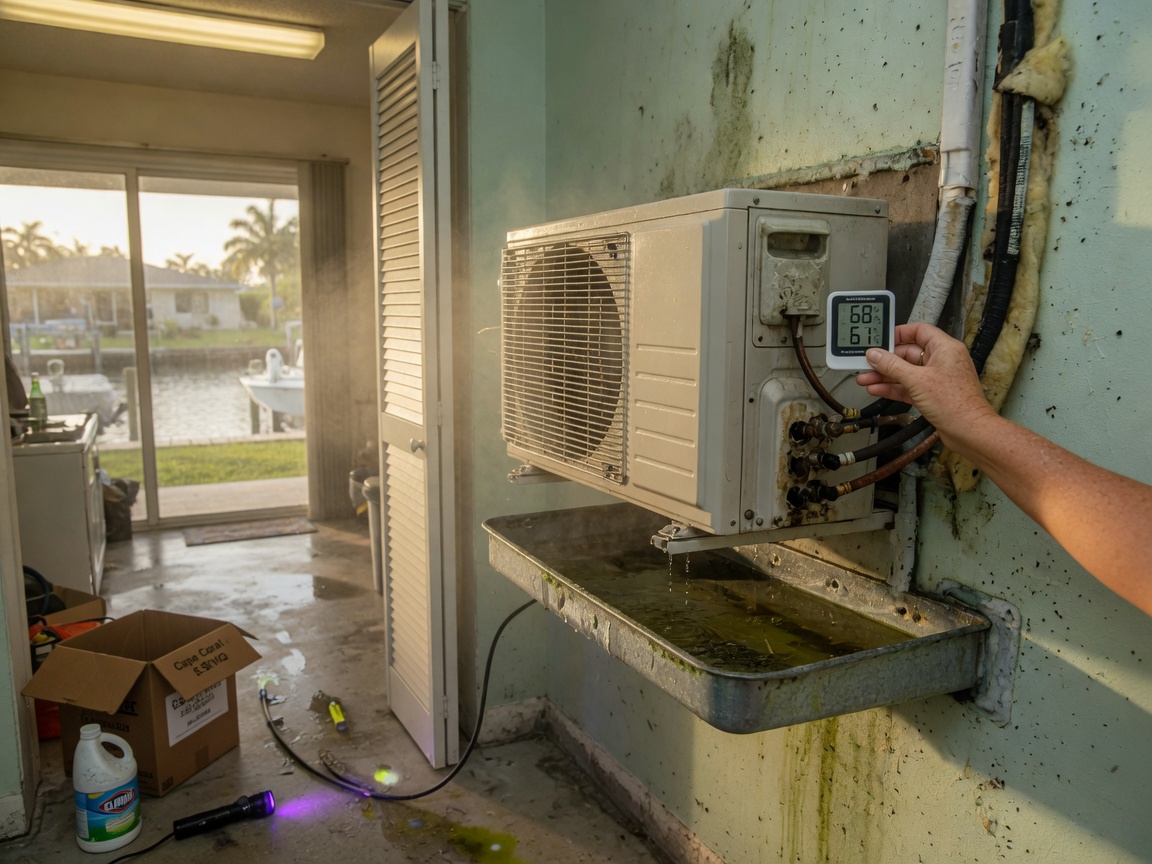
How To Spot Refrigerant Issues Early In Coastal Florida Homes
Coastal humidity and salt air in Cape Coral accelerate corrosion on AC lines, making early detection of refrigerant issues essential to avoid compressor damage in local homes.
2026-10-28
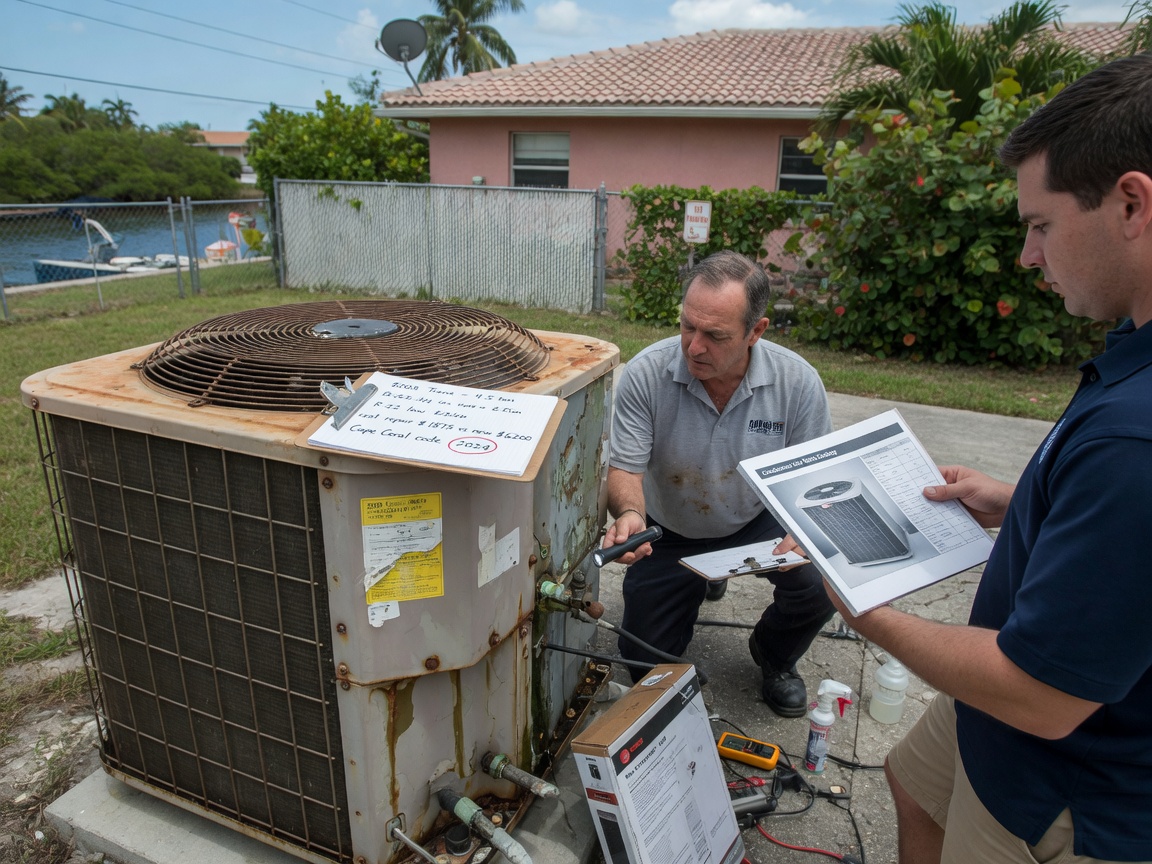
Choosing Between Repair And Replacement For Aging Units In Cape Coral
For Cape Coral homes with units past 12 years, replacement often outweighs repeated repairs when costs climb and efficiency falls in the local humid summers.
2026-10-28
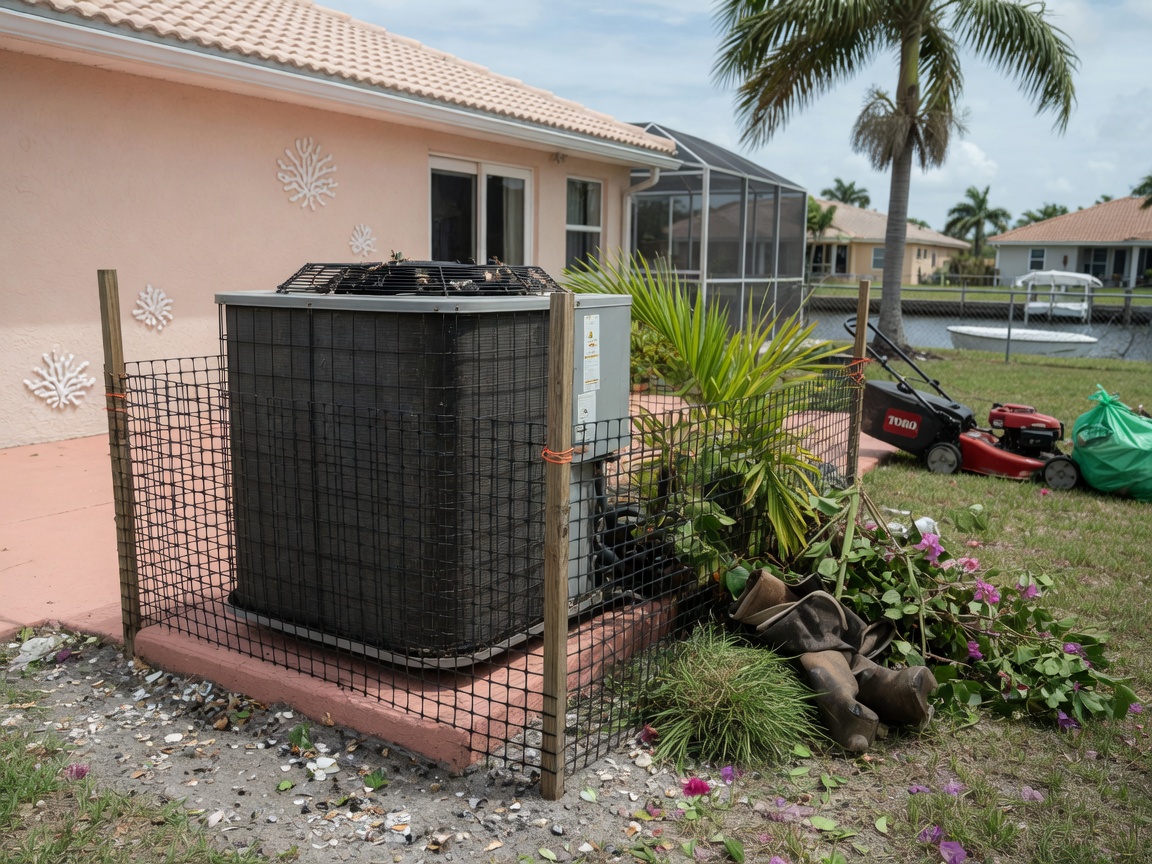
Protecting Outdoor Condenser Units From Landscaping Debris In Cape Coral
Cape Coral's humid summers and dry winters push landscaping debris onto condenser coils faster than in inland spots. Homeowners in Downtown Cape Coral and Cape Coral Isles can cut airflow restrictions by clearing specific plants and scheduling checks.
2026-10-28
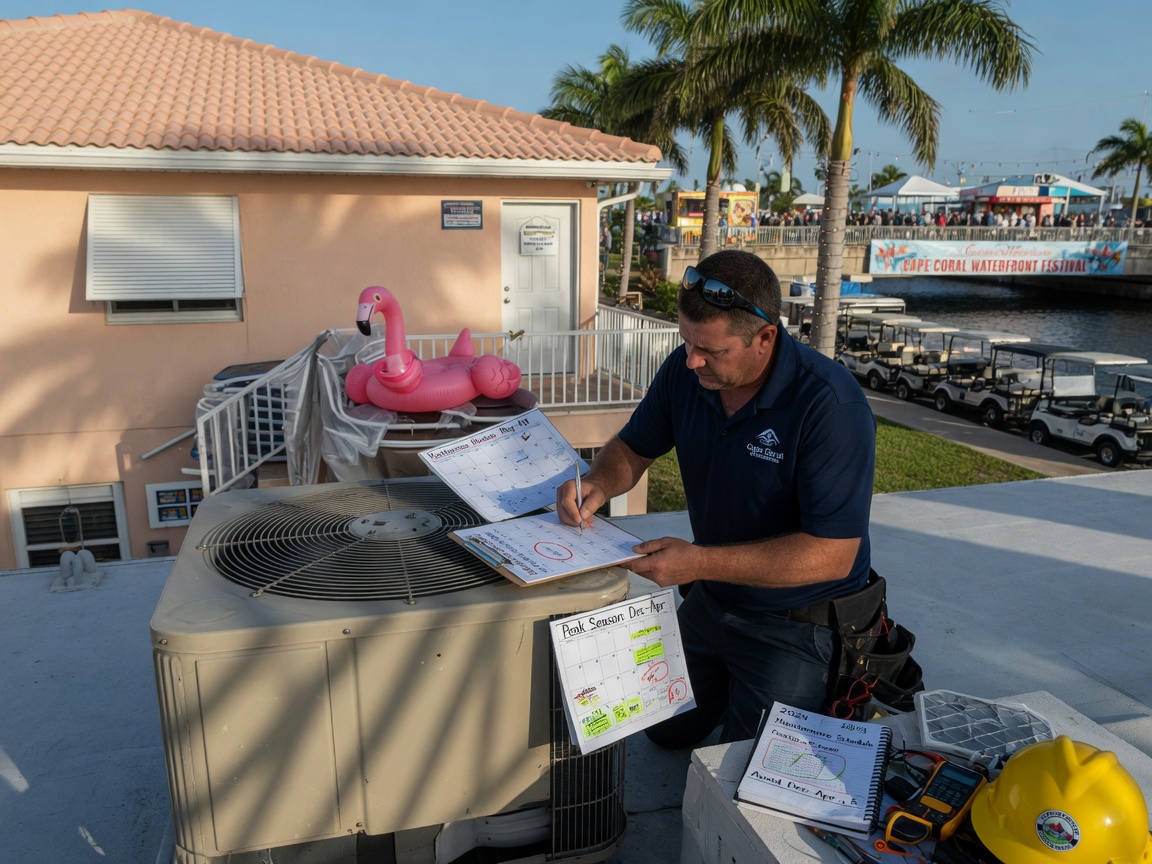
Scheduling Routine Maintenance Around Cape Coral's Busy Tourist Season
Cape Coral homeowners can avoid service delays during winter tourist season by booking routine HVAC work in April through May or September through October. This timing aligns with lower demand while addressing the effects of humid summers and dry winters on local systems.