2026-09-05 · Carlos Mendoza
How High Humidity Affects Ac Performance In Cape Coral Homes
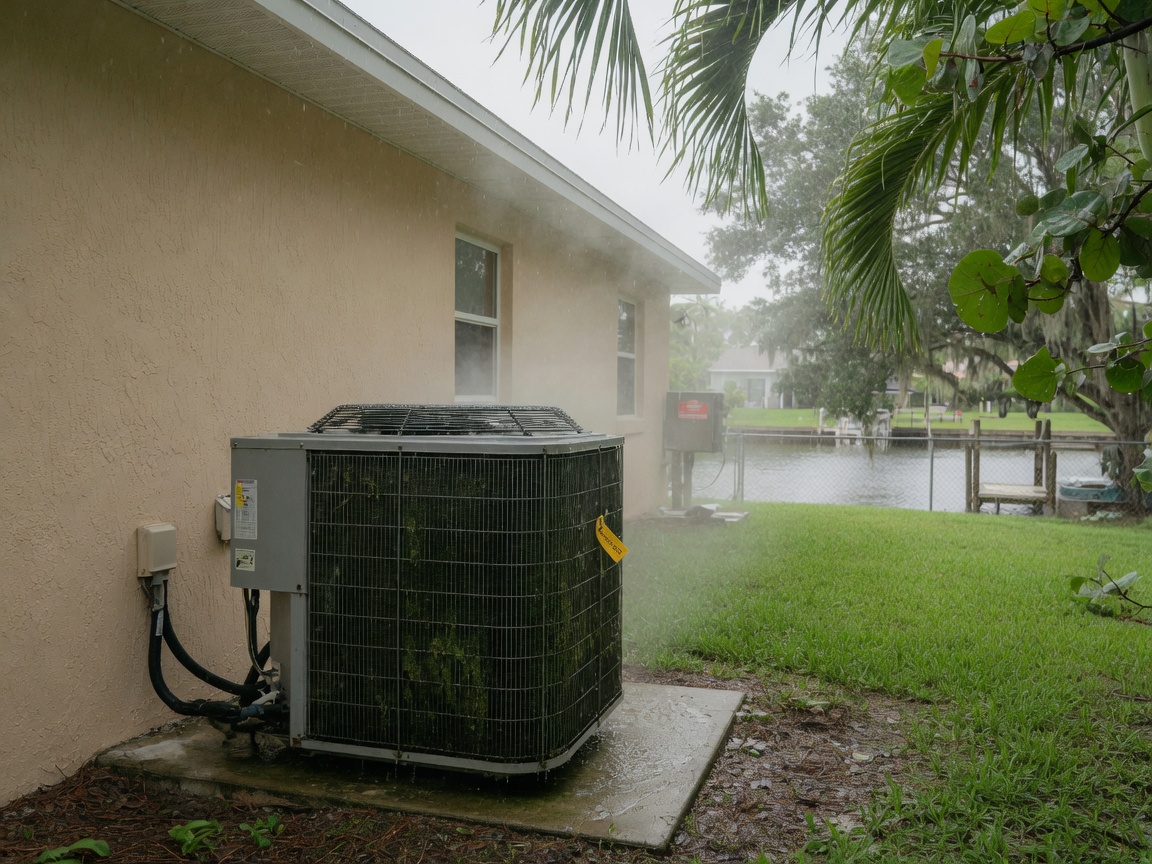
High humidity in Cape Coral forces air conditioners to extend run times as the system removes moisture before delivering comfortable temperatures, often increasing daily operating hours by several in peak summer months across neighborhoods like Cape Coral Isles and Burnt Store.
Humidity's Effect on Cooling Cycles
In Lee County's tropical climate, summer humidity levels stay elevated while winters turn drier, so AC units in Downtown Cape Coral homes must handle constant latent load from May through October. This shifts priority from sensible cooling to dehumidification, lengthening each cycle and reducing overall capacity for temperature drop. Homes near the Cape Coral Yacht Club or Four Freedoms Park often see this in two-story layouts where upper floors trap moisture. The result appears in higher utility bills and uneven comfort between rooms. Systems sized for drier regions struggle here because they short-cycle on temperature alone without addressing moisture. Local operators note that salt air from nearby Sanibel and North Fort Myers accelerates coil corrosion when moisture lingers on surfaces.
Strain on Components and Energy Use
Extended operation under high humidity wears compressors and fans faster in Cape Coral homes built before modern insulation standards. Condensate drains clog more often from constant water removal, leading to overflow and potential water damage near Sun Splash Family Waterpark areas. Energy consumption rises because the unit cannot reach thermostat set points quickly, running 20-30 percent longer per cycle than in low-humidity conditions. This pattern repeats daily until fall, compounding wear on contactors and capacitors. Homeowners in Fort Myers border zones report similar patterns when systems lack proper refrigerant charge or clean coils. Regular inspection of these parts prevents small issues from becoming full replacements during peak demand.
Common Performance Issues in Local Homes
Residents notice weak airflow from returns and supply vents when humidity overloads the evaporator coil, causing ice formation that further blocks cooling. In Cape Coral Isles properties with slab foundations, moisture migrates upward and adds to the load the AC must overcome. Older ductwork in Burnt Store homes leaks conditioned air into hot attics, forcing the system to compensate with extra runtime. These conditions appear most in summer afternoons when outdoor dew points remain high. Preventive Maintenance catches early signs such as standing water in pans or dirty filters that worsen humidity problems. Without attention, the pattern leads to short cycling or complete shutdown on the hottest days.
Practical Steps for Cape Coral Homeowners
Scheduling seasonal checks keeps coils clean and drains clear so the system handles moisture without extra strain. Upgrading to a variable-speed unit or adding a whole-home dehumidifier helps separate humidity control from temperature control in humid Lee County conditions. Homeowners near the Caloosahatchee benefit from checking filters monthly because salt air combines with moisture to clog media faster. Preventing Mold Growth Inside Air Handlers In Humid Florida Homes outlines steps that reduce microbial growth on wet coils. Indoor Air Quality Solutions address lingering odors and allergens that accompany excess moisture. These measures maintain performance without requiring oversized equipment that short-cycles in shoulder seasons.
When to Seek Professional Assessment
Persistent high indoor humidity above 60 percent despite running the AC signals the need for diagnostic testing on refrigerant levels and airflow. Technicians serving Sanibel and Fort Myers routes often find mismatched equipment or undersized returns in Cape Coral homes that cannot keep pace with local conditions. Air Conditioning Repair restores proper function when coils freeze or drains back up. Addressing these factors early avoids emergency calls during afternoon storms common in the region. Consistent attention to humidity control preserves comfort and system reliability through repeated summer seasons.